Grey Bruce Public Health reflects on 25th anniversary of Walkerton E. coli outbreak
This month marks 25 years since the Walkerton E. coli tragedy – the waterborne outbreak that caused seven deaths and sickened more than 2,300 people, and led to sweeping changes to Ontario drinking water regulations.
Grey Bruce Public Health is encouraging residents to reflect on the lives impacted by the tragedy, the lessons learned, and justice Dennis O’Connor’s enduring warning: “We should never be complacent about drinking water safety.”
It was during this week in May, 2000, that the then-Bruce-Grey-Owen Sound Health Unit began investigating a gastroenteritis outbreak in Walkerton. A boil-water advisory was issued May 21, 2000, and the next day, the health unit received confirmation that the municipal water supply was causing the E. coli outbreak.
An inquiry into the tragedy, led by O’Connor, associate chief justice of the Court of Appeal for Ontario, produced 121 recommendations aimed at improving Ontario’s drinking water safety — from source to tap.
The outbreak led to a comprehensive overhaul of the province’s drinking water regulations and the creation of the Walkerton Clean Water Centre, a world-class facility that provides mandatory training for water system operators.
May 21, 2025, Grey Bruce medical officer of health Dr. Ian Arra, chief executive officer of Grey Bruce Public Health, was among the featured speakers at the Walkerton Clean Water Centre’s webinar: “25 Years of Reflection: Honouring the Past, Protecting the Future.”
Arra spoke about the legislation, roles and responsibilities, inspections, and other measures in place to protect small and private drinking water systems in Ontario.
“Access to safe, clean drinking water is a vital component of public health,” he said. “As we commemorate the 25th anniversary of the tragedy in Walkerton, it’s important to not only reflect on how far we’ve come in improving drinking water protections, but also the steps that can be taken to continue this journey of excellence.”
Public health supports the recommendations in the 2025 report by the Auditor General of Ontario: “
Safety of Non-Municipal Drinking Water,” that urge the Ontario Ministry of Health and Public Health Ontario to collaborate on a province-wide plan to raise awareness about the risks of consuming water that has not been frequently tested, and the availability of complimentary microbiological testing for private wells and intakes.
The report notes that while 1.3-million Ontarians rely on drinking water from private wells, fewer than one-third of those users have tested their water in the past year — despite available, complimentary private water testing services. A 2024 study by Public Health Ontario and Queen’s University attributes the low testing rates to a lack of awareness of both the risks associated with not testing and available testing programs.
“Grey Bruce Public Health has implemented a locally-developed plan aimed at increasing local access to Public Health Ontario’s publicly-funded, well-water testing program,” said Arra. “By partnering with local municipalities and initiating local courier routes, we now have water sample drop-off locations in 14 Grey-Bruce communities. However, despite these enhancements, local use of the service has remained less than optimal.”
On this sombre anniversary, public health is also emphasizing the critical roles that public health inspectors, along with other water system operators, play in protecting drinking water.
For a sizable category of drinking water systems, the inspectors, employed by local public health units, conduct risk assessments, issue directives, monitor compliance, and respond to adverse results and complaints. They also support private system owners in interpreting test results and consultation to improve the safety of their water.
“Public health inspectors have enormous responsibilities — and their work saves lives,” said Arra. “Grey Bruce Public Health is fortunate to have a dedicated, knowledgeable, and passionate team of inspectors. I am incredibly proud of the work they do each and every day to protect the health of Grey-Bruce residents.”
“The inspectors have a critical role in safeguarding drinking water for residents of Ontario,” said senior public health manager Andrew Barton. “Their dedication has contributed to the high compliance rates of Ontario’s regulated water systems, with over 98 per cent of samples meeting Ontario Drinking Water Standards.”
Brian Bates, chief executive officer of the Walkerton Clean Water Centre, said the 25th anniversary of the Walkerton tragedy is a sober reminder of the need for vigilance and a time for re-commitment.
“At the Walkerton Clean Water Centre, our mission is to provide education as the first line of defence,” he said. “That’s why we’ve released a new video to help private well owners understand the risks and responsibilities that come with managing their own drinking water supply, at
www.youtube.com/@walkertoncleanwatercentre.”
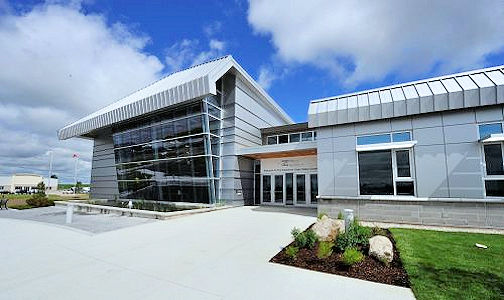 The Walkerton Clean Water Centre
 Written By
No bio for this author.





Related Stories
No related stories.