


 August 17, 2016
1271
August 17, 2016
1271
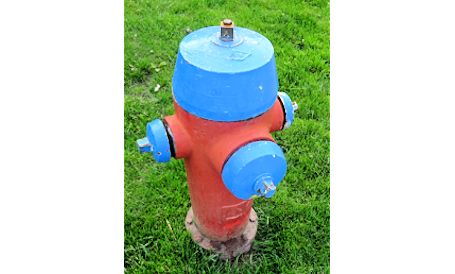
Kincardine's fire hydrants are charged and could be used, despite the water tower being off-line, says the municipality's water and wastewater supervisor.
Shamus Anderson says with the standpipe down for repairs, the available fire flows are reduced. However, if warranted, additional pumps could be activated at the water plant to further supply fire flow capacity, he says.
Chief administrative officer Murray Clarke adds that the bottom line is, Kincardine's capacity to respond to fire calls is essentially unchanged.
Meanwhile, Kincardine fire chief Kent Padfield says the fire department has a contingency plan for rural firefighting with no access to a water supply in the vicinity. The plan also addresses the event when hydrants are not available or when there is limited system pressure.
Both the Kincardine and Tiverton fire stations conducted training to ensure efficiency in the alternate water supply plan, he says.
"The plan includes the ability to pump water directly from the lake on the north side of the harbour, using one of our pumpers, and fill water tankers," says Padfield. "Our back-up water plan can fill a tanker in approximately two minutes. The tanker would then deliver the water to the scene."
He said the department is fortunate to have a water tanker in each station and a mutual aid plan with its neighbours to provide water shuttle assistance. "We can have many tankers supporting our operation in a very short time. Part of our contingency plan is to immediately call for tanker mutual aid."
The plan in the north part of the municipality is to fill tankers at the Bruce Energy Centre, says Padfield. The hydrants in this area are not part of the municipal water system.
"Rural firefighting involves using any water source close to the incident," Padfield says."Rivers and ponds can be used, if available. Our tankers carry portable drafting pumps to access water in rural areas.
"Our second contingency is to lay high-volume hose from the harbour to the fire scene. All our pumpers have hundreds of feet of four-inch or five-inch high-volume hose. This technique is called relay pumping."
Written ByLiz Dadson is the founder and editor of the Kincardine Record and has been in the news business since 1986.
Related Stories
No related stories.